
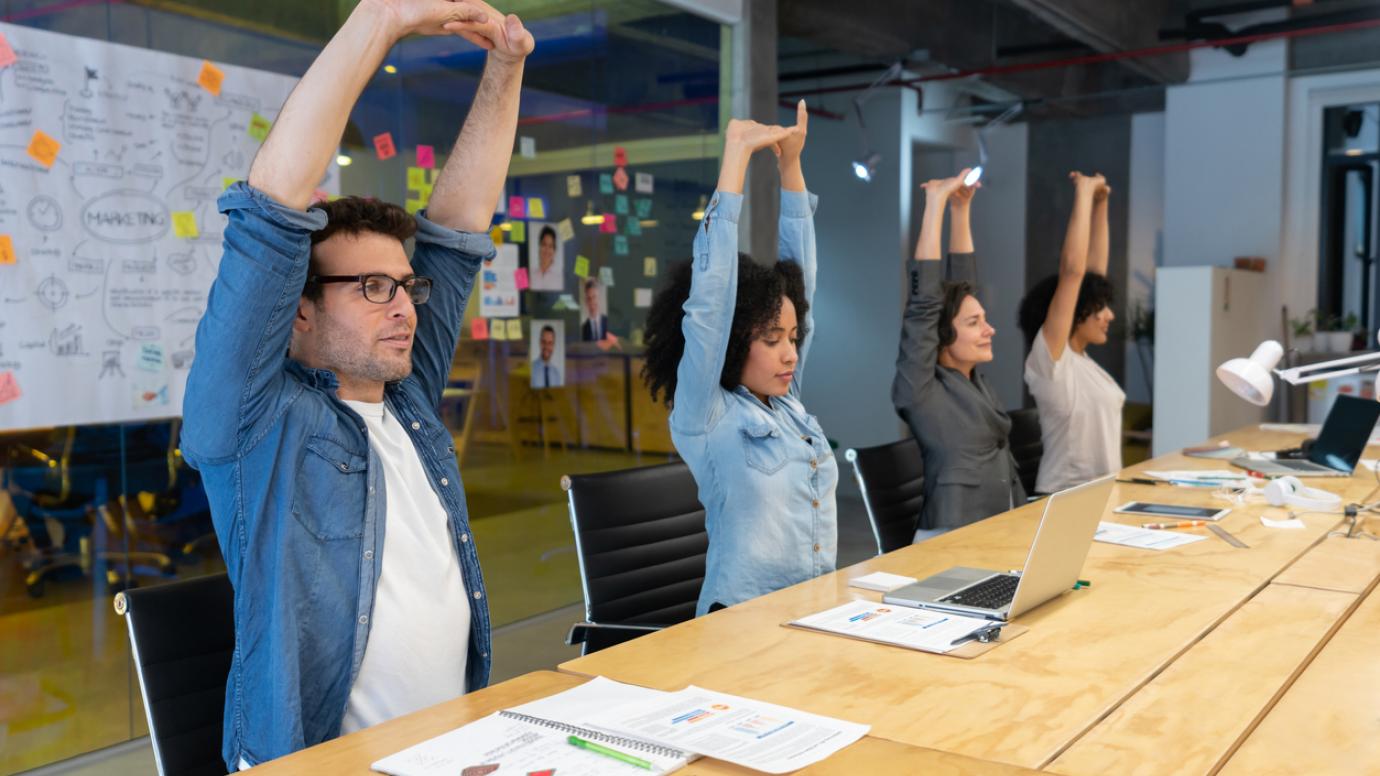
Research-informed articles and practical checklists for U.S. teams exploring short movement breaks during the workday. General workplace information only — not medical or occupational health advice.
Explore the ScienceShort, scheduled movement sessions woven into the workday — not optional extras tacked onto lunch.
Research on occupational health consistently shows that brief standing or walking intervals interrupt the physiological cascade triggered by prolonged sitting. Programs typically schedule two- to five-minute breaks with guided stretches, hallway walks, or desk mobility drills. The goal is frequency, not intensity — consistency throughout the day matters far more than a single burst of activity.
When breaks are shared rituals — a group walk at 10:30, a stretch circle after standups — participation rates climb. Managers who model the behavior set a visible standard. Calendar blocks labeled "Movement Break" reduce the guilt employees often feel about stepping away from screens, which is one of the biggest barriers to adoption in high-pressure environments.
Some organizations review voluntary pulse surveys, participation logs, and informal manager feedback when piloting break routines. Outcomes depend on leadership support, job type, and existing culture. Movement breaks are one part of broader workplace practices that may also include ergonomic reviews, flexible scheduling, and clear recovery norms.

The idea that a vigorous evening workout cancels out a full day at a desk sounds reasonable, but physiology tells a different story. When you sit for extended periods, lipoprotein lipase activity in your leg muscles drops sharply within about an hour. This enzyme plays a key role in breaking down triglycerides and supporting healthy fat metabolism in muscle tissue.
A 60-minute gym session activates these pathways temporarily, but it does not restore the continuous low-grade muscle engagement your body expects during waking hours. Think of it like trying to water a garden once a week instead of daily — the plants survive, but they never thrive. Distributed movement across the day keeps metabolic signals active, supports circulation, and reduces the musculoskeletal stiffness that accumulates when joints remain in fixed positions.
Practical takeaway: Pair your regular fitness routine with hourly micro-breaks. Standing for two minutes, walking to refill your water bottle, or doing calf raises at your desk all contribute to a cumulative effect that isolated exercise blocks cannot replicate.
Understanding what happens inside your body during uninterrupted sitting helps explain why many ergonomics guides recommend regular position changes.
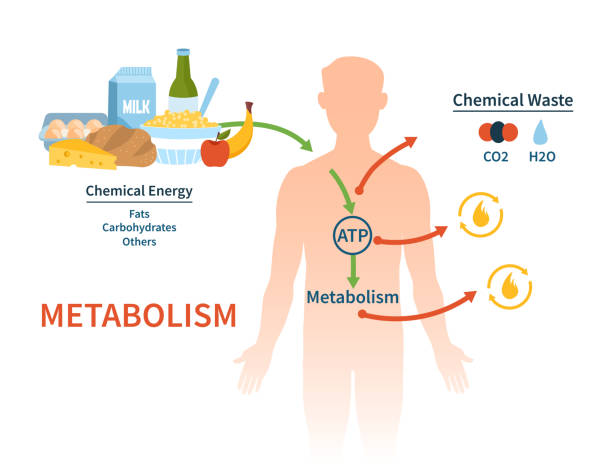
After roughly 30 minutes of stillness, several physiological processes begin to downshift. Muscle glucose uptake decreases, calorie expenditure drops toward resting levels, and postural muscles that support your spine start to disengage. This is sometimes called a metabolic "dimming" — not a shutdown in the dramatic sense, but a gradual reduction in the energy your body invests in maintaining active tissue.
Electromyography studies show measurable declines in leg muscle electrical activity within the first half hour of sitting. Your body interprets prolonged immobility as a signal to conserve resources. Blood flow to lower extremities slows, which contributes to that heavy-legged feeling many desk workers recognize by mid-afternoon.
Postural muscles maintain alignment. Blood circulation remains relatively stable. Cognitive focus is typically at its peak for seated tasks.
Subtle shifts in pelvic tilt and lumbar loading begin. Hip flexors shorten slightly. Restlessness often emerges as your nervous system signals the need for positional change.
Lipoprotein lipase activity drops. Metabolic rate in leg muscles decreases. Interruption through standing or walking reverses this trend within minutes.
Conference rooms encourage formal postures, hierarchical seating, and screen dependency. Moving meetings outdoors or through office corridors can change the social dynamics of conversation. A Stanford University study (Oppezzo & Schwartz, 2014) reported that walking was associated with higher creative ideation scores in a controlled experiment compared with sitting, though results may not apply to every meeting type or workplace.
Some teams find that side-by-side movement reduces perceived hierarchy and supports candid dialogue on operational topics. Experiences vary by team size, setting, and facilitation style.
A widely shared ergonomics habit that may help ease visual discomfort during long hours of screen work.
Every 20 minutes, look at something at least 20 feet away for 20 seconds. This practice is commonly recommended in ergonomics and eye-care education materials. It gives the eye's focusing muscles a brief rest from near work. Extended screen time at a fixed distance is associated with visual fatigue and discomfort for many desk workers. This rule is a comfort habit, not a treatment for any eye condition.
Integrating the 20-20-20 rule into active break programs is straightforward. When your movement break reminder fires, add the eye focus step before returning to your desk. Some teams use shared timers or browser extensions that overlay gentle reminders without disrupting workflow.
Position your monitor so the top edge sits at or slightly below eye level. Maintain roughly an arm's length distance from the screen. Reduce glare with blinds or monitor filters. Match screen brightness to ambient lighting — a screen that is significantly brighter than your surroundings forces your pupils to work harder.
Combine the 20-20-20 rule with your scheduled movement breaks for a comprehensive approach to visual and physical comfort. Explore our eye wellness page for deeper guidance.
How structured movement may support workplace culture and employee feedback metrics.
Burnout develops gradually when recovery opportunities are absent from the work rhythm. Employees who feel chained to their desks experience a compound effect: physical discomfort reinforces mental fatigue, and mental fatigue reduces the motivation to move. Active break programs interrupt this loop by legitimizing recovery as part of productive work, not a deviation from it.
Employee Net Promoter Score (eNPS) measures how likely staff members are to recommend their workplace to others. Some employers include movement-friendly policies as part of broader culture initiatives and track survey trends over time. Any relationship between break programs and survey scores depends on many factors and should be interpreted cautiously.
Employee Wellness StrategiesData collection does not need to be invasive. Anonymous participation logs and voluntary survey questions provide sufficient insight to refine scheduling, break formats, and leadership messaging over time.
Practical standards for implementing active breaks responsibly in corporate environments.
Not every movement format suits every employee. Offer seated alternatives for team members with mobility considerations. Encourage individuals to consult qualified health professionals for personal exercise guidance.
Place water stations along common walking routes. Maintain comfortable ambient temperatures in break areas. Ensure outdoor walking paths are well-lit, level, and free of trip hazards.
Keep corridors unobstructed during group movement sessions. Mark designated stretch zones away from high-traffic equipment. Brief facilities teams on the break schedule to avoid conflicting maintenance activities.
Keep break activities at moderate volume in open offices. Use meeting rooms for guided group stretches when noise sensitivity is a concern. Communicate break times so adjacent teams are not surprised.
Encourage comfortable shoes for walking meetings. Avoid sudden high-intensity movements in business attire on slippery floors. Warm up with gentle mobility before any dynamic stretches.
Maintain written guidelines accessible to all staff. Include opt-out options without penalty. Review procedures annually with your occupational health and safety committee.
Upcoming workshops, awareness sessions, and answers to common program questions.
| Date | Event | Format | Details |
|---|---|---|---|
| June 18, 2026 | Launch Lab: Designing Your First Active Break Schedule | Virtual Workshop | 90-minute session covering interval timing, leadership buy-in, and pilot program templates for teams of 10–50. |
| July 9, 2026 | Walking Meeting Facilitation Skills | In-Person · Birmingham, AL | Half-day training on agenda design, route planning, and inclusive practices for mobile discussions. |
| August 6, 2026 | Eye Health & Screen Ergonomics Clinic | Virtual Workshop | Covers the 20-20-20 rule, monitor positioning, and integrating visual breaks into existing movement schedules. |
| September 15, 2026 | Tracking Culture Surveys & Voluntary Break Programs | Virtual Panel | HR practitioners discuss survey frameworks and ethical data collection for optional movement pilots. |
| October 22, 2026 | Workplace Movement Awareness Resources | Self-Guided Materials | Educational toolkits, optional team activity ideas, and communication templates for voluntary participation. |
For registration details, contact our team.