
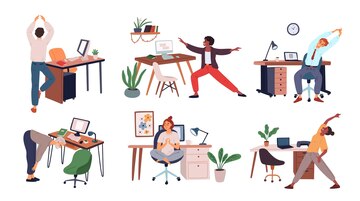
Educational overview of workplace culture, voluntary movement breaks, and how some teams review feedback surveys.
Burnout is not a sudden collapse — it accumulates through months of insufficient recovery woven into the work rhythm. In organizations where being "always at your desk" signals dedication, employees skip breaks, eat lunch at their screens, and push through afternoon energy crashes with caffeine instead of movement. Physical stagnation amplifies cognitive fatigue, and cognitive fatigue reduces the motivation to move. The cycle reinforces itself.
Voluntary active break routines may help address part of this cultural pattern. When leadership schedules and participates in optional movement breaks, recovery can become a shared norm rather than a personal indulgence. Some employees feel more permitted to manage energy throughout the day, though experiences vary widely.
General lifestyle adjustments like movement breaks are one component of a broader wellbeing strategy. They work best alongside reasonable workload expectations, clear role boundaries, and manager training on sustainable team practices.
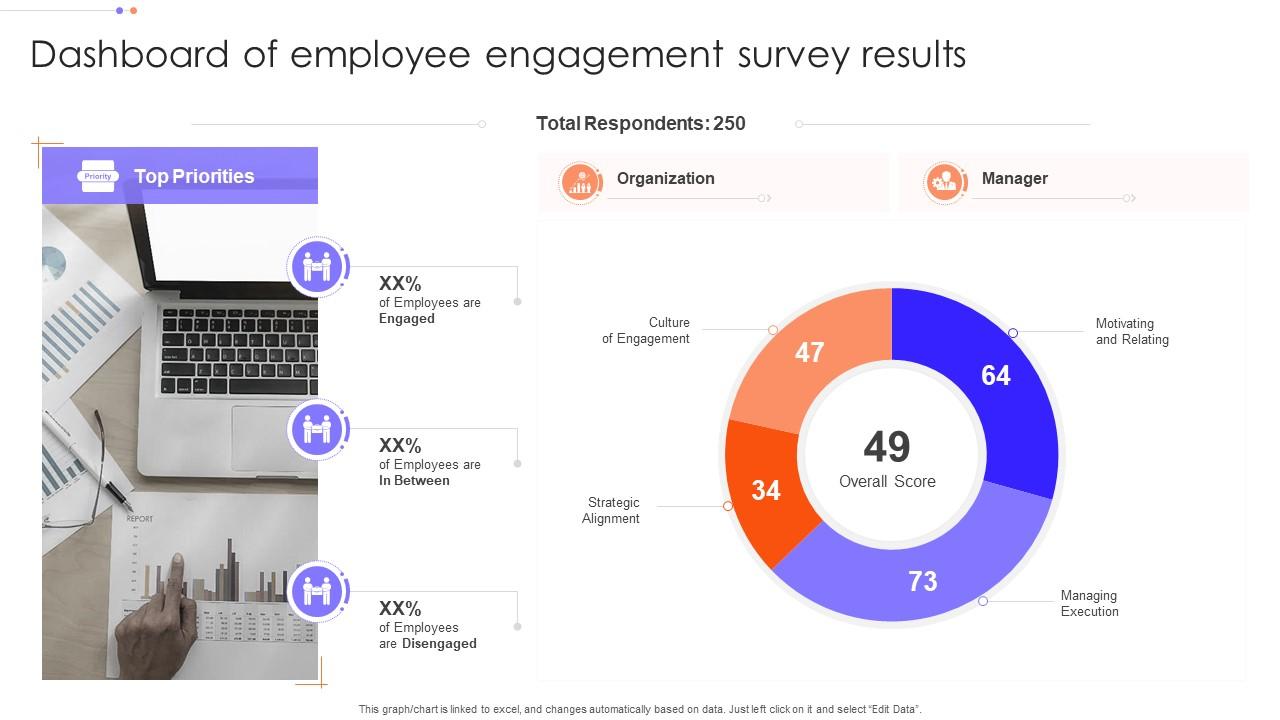
Employee Net Promoter Score (eNPS) asks one core question: "On a scale of 0–10, how likely are you to recommend this company as a place to work?" Respondents scoring 9–10 are promoters, 7–8 are passives, and 0–6 are detractors. The eNPS equals the percentage of promoters minus the percentage of detractors.
Wellbeing infrastructure — including visible active break programs — influences eNPS indirectly by shaping daily experience. Employees who feel their physical comfort matters to the organization develop stronger organizational attachment. Movement programs also improve informal social contact: colleagues who stretch together or walk together build relationships that increase overall job satisfaction scores.
There is no single benchmark for how movement programs affect survey scores. Teams that track eNPS or pulse surveys often review trends across multiple quarters, combine qualitative feedback with participation data, and interpret changes in context of workload, leadership changes, and seasonal factors.
Measurement tip: Use voluntary, anonymous surveys. Avoid tying break participation to performance reviews. Compare trends over time rather than expecting immediate score changes.
Never penalize employees who opt out of group movement sessions. Offer seated alternatives and respect individual preferences without tracking non-participation negatively.
Use anonymous aggregate participation data and voluntary survey responses. Avoid monitoring individual break behavior through productivity software.
Executives and managers can participate publicly. Visible leadership engagement is often associated with higher voluntary adoption across organizational levels.
Review participation rates, survey feedback, and scheduling conflicts every quarter. Adjust break timing, format, and communication based on what employees actually use.
Some teams start with one department, review voluntary participation for a quarter, and adjust based on feedback. We share guides — not guaranteed outcomes.
Contact Our Team Review the Science